
You are already the person friends call about credit.
Most brokers start the same way: helping people informally, for free, because they happen to understand something others do not. This is the structure that turns that into a practice.

This works for one kind of person, and not another.
This is for you if
- ✓ People already come to you with credit questions
- ✓ You want to understand the material properly, not just repeat it
- ✓ You are willing to tell a prospect the honest answer, including when it is "you can do this yourself"
- ✓ You want something that compounds rather than a quick season
This is not for you if
- — The income is the only part that interests you
- — You would be comfortable selling something you do not understand
- — You want to promise people outcomes to close them
- — You are looking for something passive
Understand it before you sell it.
This industry has a reputation problem, and it earned it by putting people in front of clients who could not explain what they were doing. That is not how this works.
Learn the system
How reports are built, what is legitimately challengeable, what the law requires of you, and where the honest limits are.
Know the law
The Credit Repair Organizations Act and the Fair Credit Reporting Act are not paperwork. They define what you may say, charge and promise.
Practice on real files
With support, and with someone to ask when a dispute comes back verified and you are not sure what the next move is.
Build your own practice
Your clients, your relationships, your reputation. The structure supports it rather than owning it.
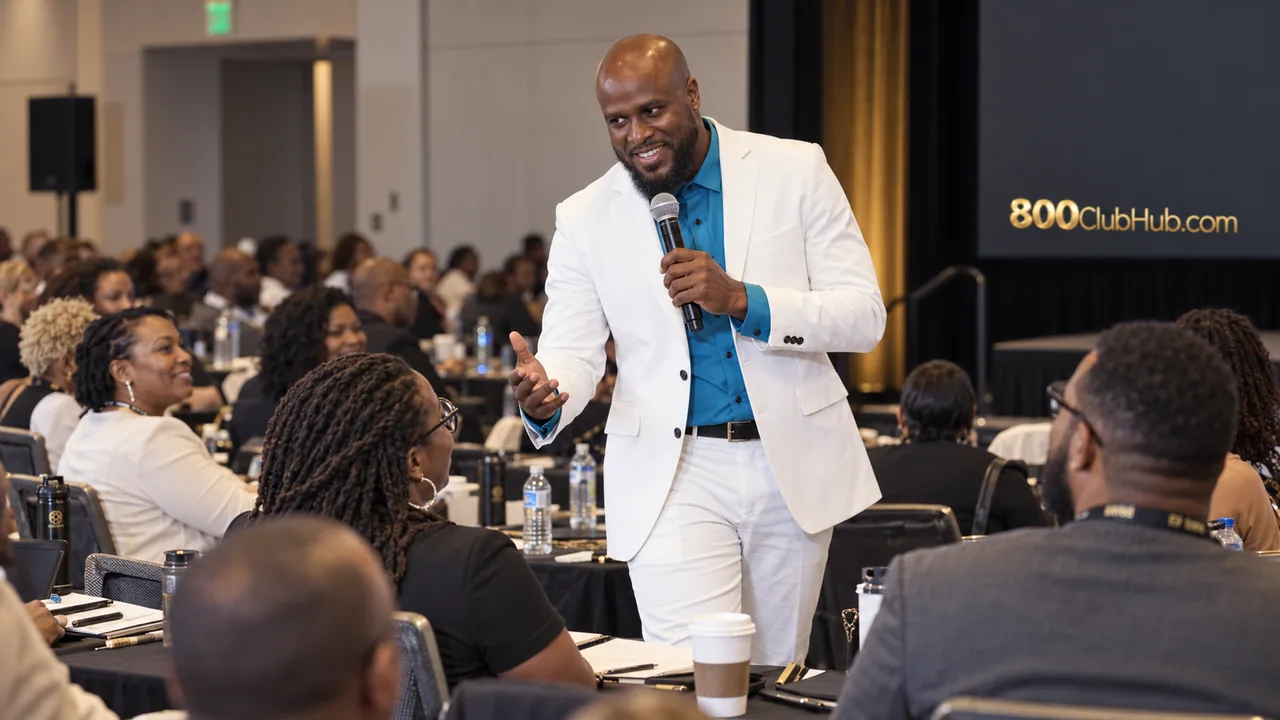
You learn it properly first
Training covers how reports are built, what is legitimately challengeable, what the law requires of you, and where the honest limits are. You do not put yourself in front of a client until you can explain all four.
The Broker Bundle.
Two ways to come in. The annual route costs less overall; the monthly route lowers what you need on day one.
Annual
Paid annually.
Monthly
then $99 / month
This is a partnership you are investing in, not a purchase. If you would need to put it on a card you cannot pay off, that is a reason to wait, and Lynden will tell you so himself.
About becoming a broker.
What does becoming a broker involve?+
It means building your own credit practice using the same system, rather than being a client of one. It suits people who already talk to others about credit and funding, and who want a structure behind those conversations. Details, terms and current availability are covered on a call, because this is a partnership rather than a purchase.
Do I need experience in credit to become a broker?+
Not formal experience, but you do need to be willing to learn the material properly rather than sell something you do not understand. The people who do well at this are the ones who were already helping others informally. If you are only interested in the income, this is not going to work.
Is this a job?+
No. You are building your own practice with your own clients. Nobody is paying you a salary, nobody is assigning you leads, and the result tracks the work you put in. That is the appeal for the right person and the reason it is wrong for others.
Can I do this alongside a full-time job?+
People do, particularly at the start. What does not work is treating it as something you will get to eventually. The learning phase in particular needs real attention, because you cannot responsibly advise anyone on a credit file you do not fully understand.